
Old traditions to create new memories and meaning
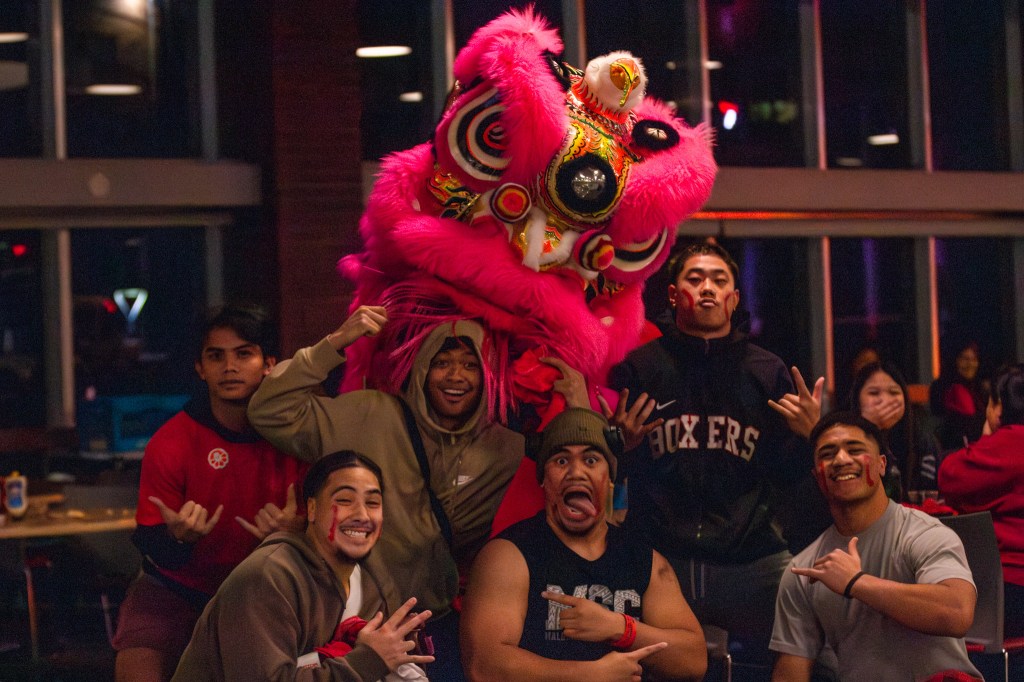
Occasional fireworks light up the sky as whistling firecrackers project over the unintelligible babbling of distant relatives. Hearty aromas circulate the air while the huddles of extended family gossip amongst each other. This environment of vibrant colors, fragrant smells, and melodies of festivities marks the beginning of the commanding traditions of the Lunar New Year.
The Lunar New Year, also known as the Spring Festival, is one of the most important holidays in China, but it’s also widely celebrated across East Asia. As such, many different stories are told as to how it came about. One legend states that the Lunar New Year originated thousands of years ago when a monster named Nian (“Year”) attacked a village every new year. It is said that Nian was afraid of bright lights and colors and loud noises, so the villagers threw massive social gatherings. They adorned their houses with bright red lanterns and lit firecrackers among cacophonous reunion to ward off the monster. These traditions continue in today’s celebrations, though nowadays with less mythical themes.
The Lunar New Year is often a week spent cleaning. It is a week to reset and cleanse one’s home of any bad luck remaining from the past year. It is typically a week to reunite with family and make merry: a high-spirited good luck charm to begin a new year.
This year, Pacific University’s Qilin Club of China celebrated the Lunar New Year like no other, with collaborations from many of Pacific’s other culture clubs for an evening of lively festivities and feasting. The event went off seemingly without a hitch, but Qilin Club of China’s President, Ella Royer Class of 2027, faced a few challenges along the way. “Last year,” Royer shares, “our advisor helped us a lot, so when she retired, we had to find a new advisor. We found a great advisor, but he was on sabbatical for a few months, so we didn’t see him for a while. I’ve learned there are a lot of challenges when planning an event; it’s not easy.” Royer then specifies, “I think the hardest part is just reaching out and talking to people, especially over the computer. It was very hard because I had to learn how to talk to people and get people to do things by a due date. That is especially difficult in winter because people get lazy, and they forget, while I’m over here struggling.” Despite the challenges she faced, Royer persevered and gave Pacific students a day to remember.
This year’s Lunar New Year celebration at Pacific highlighted the common themes of community, festivities, and culture. It reminded us that this holiday is about not only the traditions passed down through centuries but also the efforts made to create community and bring people together through shared cultures, no matter the challenges faced along the way.

 Pacific Index
Leave a comment