
The unsung hero of our athletic performances

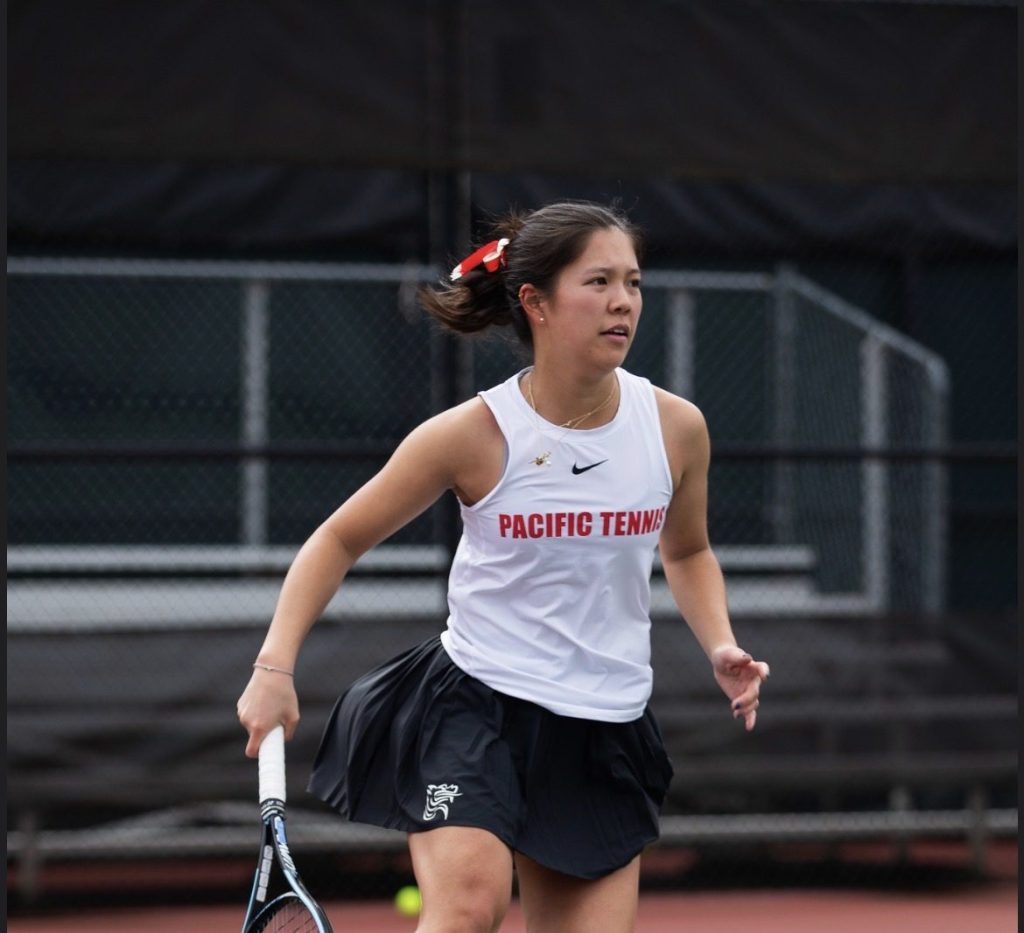
“We do it for the athletes,” explains assistant athletic trainer, Lorenzo Craig. He continues, “The smiles on their faces when they return to play. The first steps onto a field or court, their last steps off of it, or teaching them how to take steps is what puts a smile on my face. Anywhere you go that will happen which is why I chose this profession,” When most of us think about the success of an athletics team, it is usually the players, coaches, and even mascots that we think about. But the truth is, a sports team can only go so far without the support of a great athletic training staff. Without a capable athletic training staff to back up, support, and prepare athletes for competition. And, lucky for Pacific, Craig is deeply committed and dedicated to helping athletes be safe and healthy every time they enter a game.
An assistant trainer, Craig is starting his fifth year as a certified athletic trainer. Craig chose his path fairly quickly in his undergraduate years. “I just hopped right into the field,” he explains. “In my undergrad, I was a bit unsure and had a few other options in my mind as I worked toward an exercise science degree. I locked in on athletic training after an internship working with the Arizona State University football team,” reminisces Craig. Shortly after his internship with ASU, Craig joined the Pacific University staff.
Similar to any sports team, communication and comradery is key for Craig’s career. Compared to Division 1 institutions where the average number of fulltime athletic trainers are 9.4, with many staff double that, Division III institutions average four certified full-time trainers. This number displays that communication at a small school is vital, especially at a school like Pacific where nearly 40 percent of the student population are athletes.
“The career of athletic training is chaotic in nature and the best way to mitigate that the most is with order wherever we can,” he says. “Scheduling appointments, planning ahead, thinking a few steps ahead and building plans is how we’ve made it work so well. On top of that, just working well together is a must. We’re all smart and bring a lot to the table, but none of us act like the smartest person in the room and can always learn more. Another thing is communication. In our world, all communication is good communication. I tell people all the time I’d rather hear it all instead of bits and pieces where I have to guess the in between. The atmosphere, because the athlete to trainer ratio is so large, it can be a bit chaotic sometimes, but with order and working together it rolls over fairly smoothly,” describes Craig.
Just like the lives of student-athletes, the work lives of athletic trainers can be chuck full of obligations; hours making sure they are up-to-date on their rehabilitation, training, and overall health so athletes can perform. “Our clinic is a fairly well-oiled machine. It’s organized so that we don’t work longer than six to hour hours in a shift, but that can go longer if you’re traveling or covering a game. Usually aim to get there a bit early to message a few athletes about the day, address anything new, and schedule appointment requests to see us. Then pre- and post-practice is just us in the trenches. Helping athletes, teaching rehab, taping, treating, soft tissue work.
 Pacific Index
Leave a comment