
What NCAA’s New Gambling Changes Mean For Athletes

Starting November 1, the NCAA officially allows student-athletes to bet on professional sports, marking a major shift in the organization’s stance on gambling.
For the first time in NCAA history, athletes and athletic department staff across Divisions I, II, and III can legally wager on pro leagues such as the NFL, NBA, or MLB. Bets on college games are still off-limits, and sharing insider information about collegiate sports remains a violation, but the rule change still represents a significant cultural turn.
The NCAA says the update isn’t meant to promote betting, but rather to “align with state laws and modern realities.” According to USA Today, the organization’s new policy “mirrors a broader national shift in sports culture,” as more than thirty-eight states have legalized sports wagering since the Supreme Court lifted the federal ban in 2018.
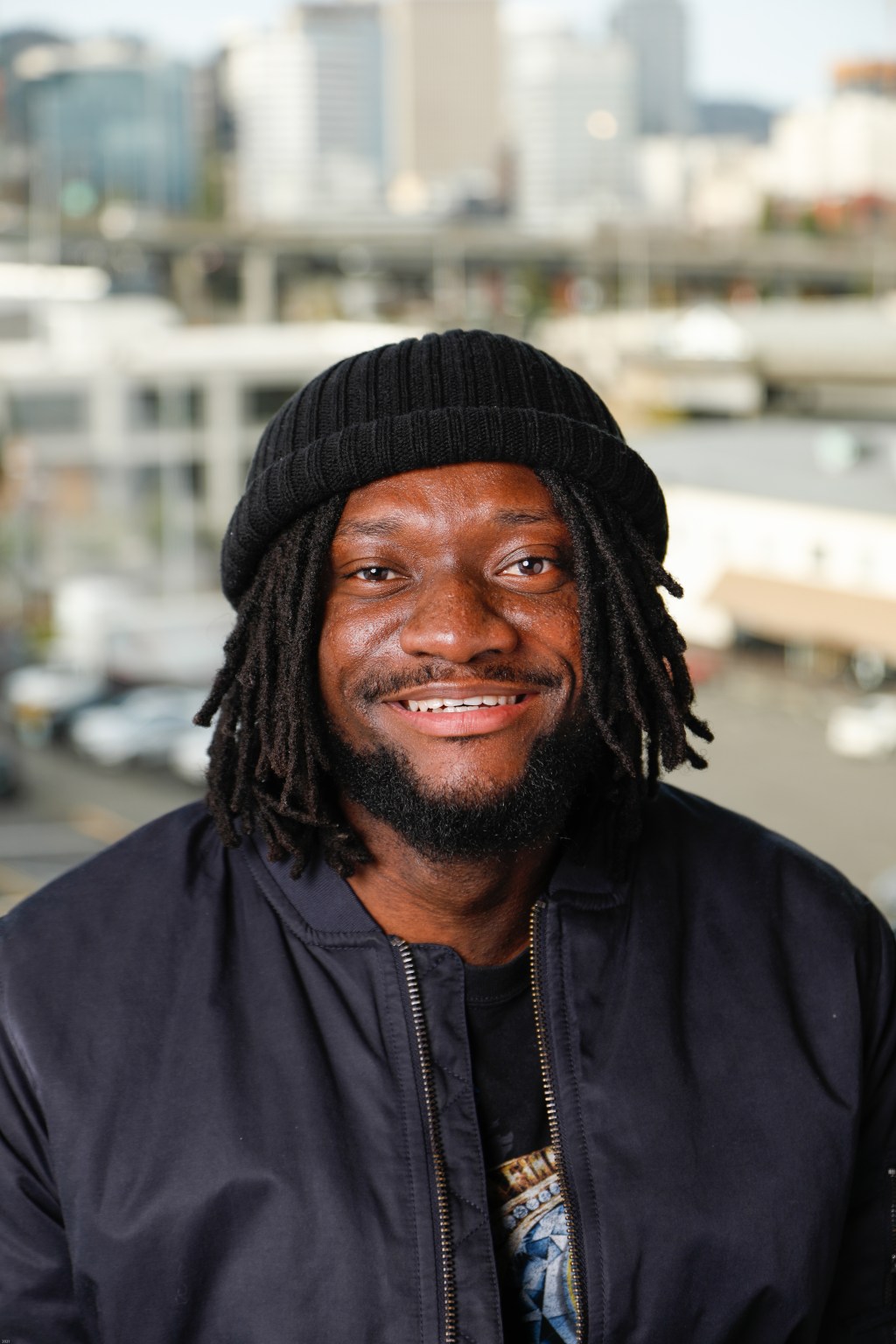
At Pacific University, SLAM professor Kevin Bryant said the change feels less like a shock and more like an overdue acknowledgment of what’s already happening. “It feels like everybody’s betting,” Bryant said. “I think there’s a ton of D-III athletes across the country that bet on pro sports. It’s become part of the culture.”
Bryant’s observation reflects a growing trend across campuses nationwide. For many students, betting on games has become as casual as joining a fantasy football league. “The sports world is so saturated with gambling now that it’s almost impossible to separate it,” Bryant said. “You turn on ESPN and see betting lines right next to the scores.”
The line between passion and addiction, he noted, can be blurry. “Sports and competition are so tied into who athletes are,” Bryant said. “But what’s competitiveness and what’s addiction? That’s a really thin line.”
The rise of Name, Image, and Likeness (NIL) money has complicated things further. Some Division I athletes now make thousands of dollars from sponsorships or social media endorsements, and that financial freedom can lead to riskier decisions. “When you’ve got players who suddenly have more money than they’ve ever had, you start to wonder —what are they going to do with it?” Bryant said. “For some, the answer’s betting.”
Even among Division III programs, where athletes don’t receive athletic scholarships, the culture of betting is still visible. Bryant said the casualness of it is what concerns him most. “It’s not necessarily the big bets, it’s the normalization,” he said. “When students talk about placing bets the same way they talk about grabbing coffee, that’s when it becomes part of the everyday culture.”
Still, the policy’s supporters argue that since betting on professional sports is legal for most adults, the NCAA’s rule simply acknowledges that reality. In its official statement, NCAA President Charlie Baker emphasized that the association will continue to enforce strict boundaries. “We are grateful for federal law enforcement’s efforts to stamp out illegal sports betting,” Baker wrote, “and I am proud that the NCAA continues to have the most aggressive competition-integrity policies in place.”
But scandals have already raised alarms. In the past year, both professional and collegiate athletes have been investigated for betting-related violations. “What happens if someone offers a player $150,000 to sit out a few games?” Bryant said. “That’s when this goes from entertainment to corruption.”
To prevent that, the NCAA says it will require educational programs for all student-athletes and staff, focusing on legal boundaries and responsible gambling practices. Bryant said smaller schools need to take those lessons seriously. “Even here, we’ve got to educate our athletes on what’s legal, what’s not, and what crosses the line,” he said. “If a student-athlete’s ever unsure, the best move is to talk to the compliance officer. They’re the experts.”
While the rule might not change day-to-day life for every athlete, Bryant believes it reflects how quickly college sports are evolving. “College sports are changing faster than anyone can keep up with,” he said. “It’s fascinating—and a little scary.”
For Bryant, the key is awareness. He doesn’t believe betting is inherently wrong, but he worries about how it fits into a broader culture that already pressures young athletes to perform, monetize, and compete. “We talk about sports as a passion, but it’s also a business,” he said. “And once money and competition overlap, there’s always a risk of losing perspective.”
The NCAA’s new rule may not be a green light for unchecked gambling, but it does signal a shift in how the organization views student autonomy. On campuses like Pacific, those changes feel close to home. “Even at a small school,” Bryant said, “we’re not as far removed from the national sports culture as we like to think.”
As betting apps, fantasy leagues, and NIL deals continue to merge into the same space, the challenge for athletes, and universities, will be drawing the line between engagement and excess. “Talking about it is one thing,” Bryant said. “Doing something about it is another.”



 Pacific Index
Leave a comment