
Pacific University gears up to host its annual Philosophy Conference
By Abby Fisher
Pacific University will host its annual Philosophy Conference between Friday, April 3 and Saturday, April 4, bringing together student scholars and faculty mentors for a weekend dedicated to thoughtful discussion and academic exchange. The event reflects the university’s ongoing commitment to intellectual engagement and the values of a liberal arts education.
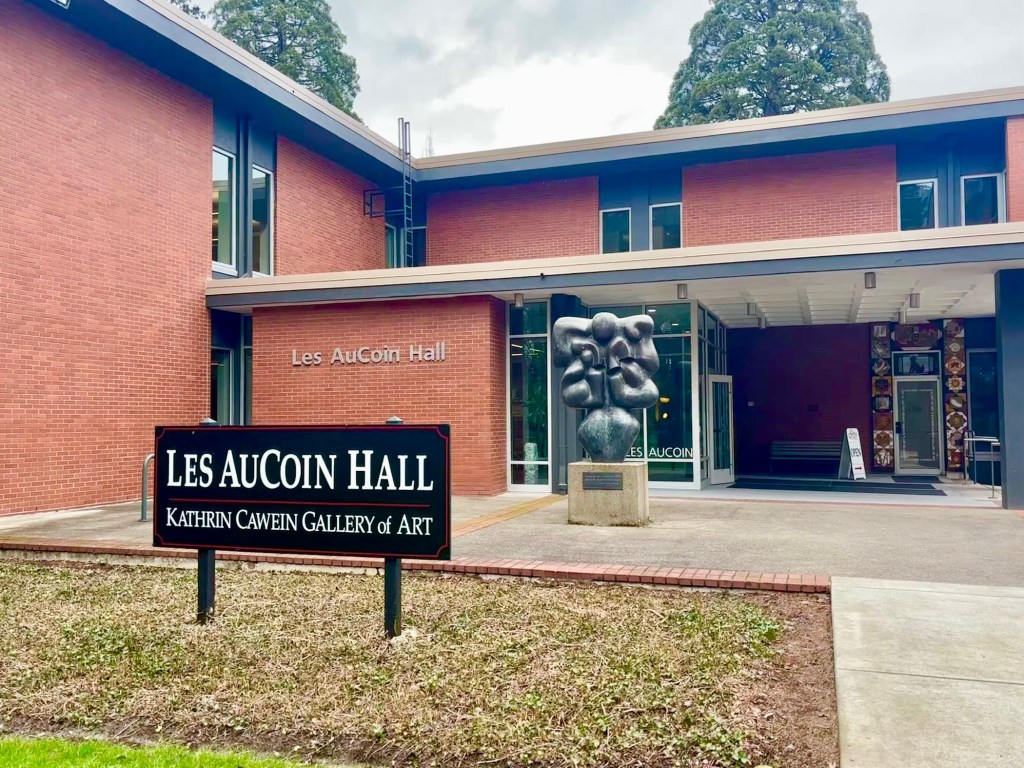
Most of the conference will take place in AuCoin Hall, where Saturday’s programming will feature both morning and afternoon presentation sessions. The keynote address, scheduled for 6:30 pm on Friday, will be held in McGill Auditorium. Organizers are expecting around 30 presenters, though that number may shift slightly as the final schedule is confirmed.
The keynote speaker will be Dr. Deborah Mower from the University of Mississippi. Along with being an accomplished philosopher, Dr. Mower is also a Pacific alum, which makes her return to campus especially meaningful. For current students, her visit is a reminder that studying philosophy doesn’t stop at graduation. It can lead to graduate school, research, teaching, and a long-term career in academia.
The conference will feature a wide range of topics, reflecting just how diverse philosophical study can be. Presenters from several colleges and universities are expected to participate, bringing ideas and research that go beyond Pacific’s usual course offerings.
Dr. Richard Frohock emphasized why that range of perspectives matters. “I think that the conference is important because it gives students the opportunity to engage with the diversity of philosophical thought,” he said. “I have been impressed by the breadth of the submissions, many of which cover topics that we don’t necessarily teach at Pacific.”
For students, that means exposure to arguments and thinkers they may not encounter in their regular classes. Conferences like this push conversations further and challenge participants to think more critically and creatively. Rather than simply reinforcing what students already know, this event will encourage them to step outside their academic comfort zones and engage with philosophy as it is constantly evolving.
Beyond the presentations themselves, the conference also creates space for connection and professional growth. Presenters will gain valuable experience explaining their ideas in a formal setting and responding to questions from peers and faculty. Learning how to defend an argument, clarify a position, and engage respectfully with critique are skills that extend well beyond philosophy classrooms. They are equally relevant for graduate study, law school, public service, and any career that values strong reasoning and communication.
“Additionally, students who attend the conference are able to make connections with folks at other colleges and universities, which can go a long way in their future pursuits,” Frohock noted.
Those connections can turn into mentorships, collaborative projects, or expanded academic networks. For many undergraduates, conferences are one of their first opportunities to participate in the broader scholarly community. Engaging in thoughtful, respectful dialogue with students and faculty from other places reinforces that philosophy is not just an individual pursuit but a collaborative one.
The structure of the weekend reflects this focus on dialogue and shared experience. Friday evening’s keynote in McGill Auditorium will bring together students, faculty, and guests for a collective start to the conference. Attendees will have multiple opportunities to listen, ask questions, and take part in ongoing conversations.
Frohock also connected the conference to the broader goals of a liberal arts education. “Finally, I think that this conference, and philosophy in general, is an important part of the liberal arts,” he said. “It celebrates the kind of free inquiry that we want our students to practice.”
This conference is set to be a meaningful academic event for the campus community. Whether attending a single session or participating throughout the weekend, students will have the opportunity to see philosophy in action, not just as a subject studied in class, but as an active pursuit of knowledge.



 Pacific Index
Leave a comment