
Moving From high school to college can be a big hurdle
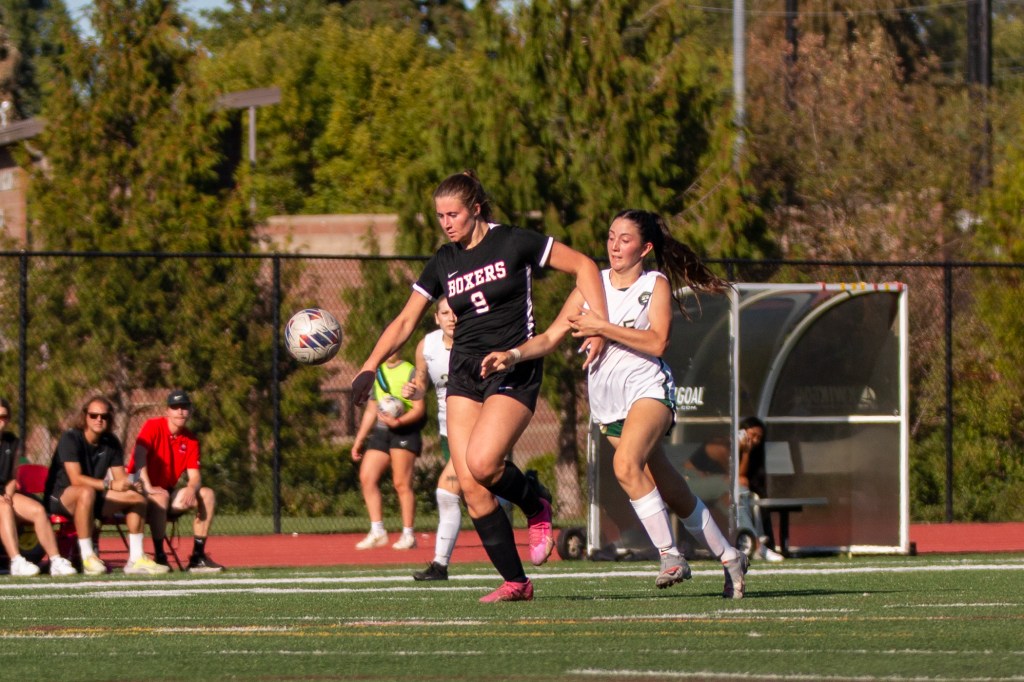
Before joining Pacific University, Taylor Eagleson had laced up her soccer cleats countless times, but never before her first collegiate game. The nerves of competing at this level filled her pregame routine with a mix of excitement and apprehension. She isn’t the only one experiencing the nerves and anxieties of moving to a new place all alone. Over one-third of Pacific’s undergraduate population are athletes, individuals who juggle practice time and weight-room schedules with classroom attendance and study time—and transitioning from high school to college sports can be tricky; often for the first time, managing athletic and academic schedules without direct and daily support from parents and family.
“It has been a challenge so far for sure, but I am also having a lot of fun with it.” Eagleson admitted. A freshman midfielder from San Jose, California, Eagleson is entering her first season for the Pacific women’s soccer team. Since joining the soccer team, she has adjusted to multiple practices a day, early morning training, and the demands of her first college classes. “I am taking four classes, and the workload is substantial,” she shared. “Every night I have about three hours of homework to do, which is tough with practice every morning at 6 a.m.”
Adapting to a new place when entering college brings on new routines and schedules. Nearly a month after arriving to Pacific, the athletes have adjusted to their sports schedules, but are now trying to grasp the difficult workload of classes to go along with that.
“Your coaches and staff have a structure built for you, but you also have the other side of the school structure to add onto it,” shared Dr. Tamara Tasker, Pacific’s sports psychologist. “School is much more difficult and the sports seasons are more intense and much longer in college.” Dr. Tasker explained, “Basically everything is heightened from high school, which adds to the stress of the overall change.” When treating athletes, Dr. Tasker assesses whether the performance of the sport is affecting the athlete or if there is an outside factor that is affecting the performance. These scenarios are common with student athletes who reach out to her for guidance.
There are a multitude of athletes present at Pacific with some belonging to more than one sport. Mentally, emotionally, and physically handling one sport can be difficult let alone another sport added onto the stress. “So far everything has been manageable, but I am a bit nervous for basketball season since I have been so busy with soccer,” freshman Maverick Rasmussen stated. Rasmussen is on both the soccer and basketball teams at Pacific—and with both teams year round, his schedules overlap throughout the school year. During the fall, Ramsumussen spends his time training with the soccer team; once soccer season is over, he will move directly to basketball, with no break.
For most new students, entering college life is challenging enough without the added demand of sports. The commitment to being both a student and an athlete is challenging, and this is enhanced when entering college. The struggle to navigate this transition is magnified by the mental, physical and emotional effects that accompany sports. While many athletes find joy in their sports, adapting to the daily grind of lacing up their cleats at the collegiate level can be a significant adjustment.


 Pacific Index
Leave a comment