
How exchange programs make a difference in life after college
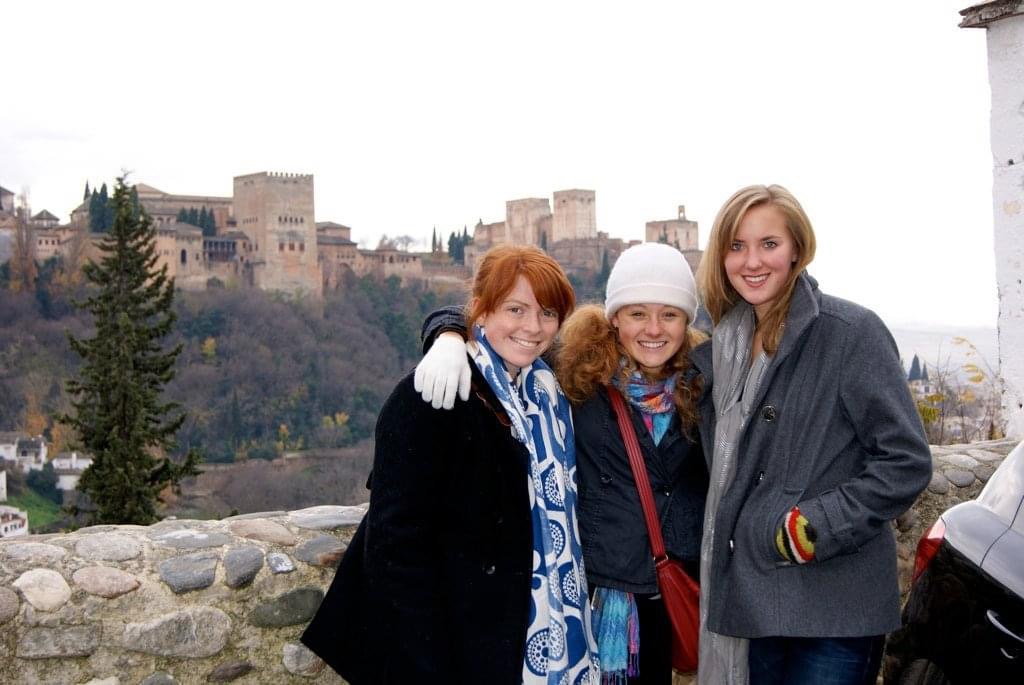
Twelve years ago, Erica Terrell was starting her junior year at Pacific—and was looking to study abroad. With the option of over 20 cities and towns across the globe, there were plenty of options. But, with a major in Spanish, Terrell chose Salamanca, Spain as her temporary home for a semester; it was only fitting to seek the country to get first-hand experience in its native language.
Like dozens of current students, Terrell had a difficult decision to make: To take a chance and see what studying abroad had to offer, or to stay put. She also had to face what she was giving up by leaving for a term.
As a women’s basketball player at the time, she knew she would have to have this conversation with her coach about being away from her team. What surprised her was the amount of support that she had received. “It was extremely well received by my coach,” Terrell commented. “I was missing almost all of preseason, so we discussed a plan for my return. While abroad I maintained a workout regiment and studied our plays.”
Although she had no second thoughts about her decision to go abroad, she did feel that she was leaving a significant piece of herself. “I knew I would have FOMO once the season started,” she explained, “Preseason is a special time. You have the giddiness of returning to the court with your teammates, anticipating what’s to come.”
New environments such as living in a foreign country for the first time can bring uneasy feelings. However, Terrell was more than willing to explore the uncomfortable. “I think there is a lot of growth in moving through those missing feelings at different times of the experience. Being uncomfortable is a good thing,” she says.
What also became a big impact in her experience was her residence mom, Pilar. Resident hosts, ranging from one person to a group of families, help welcome the students staying abroad while looking after them on a daily basis. They bridge connections with international students, and treat them as a family member rather than a guest. Living in an environment full of students with different backgrounds, Pilar became the motherly figure to everyone. “She was the heart of that place,” Terrell shared. “My Spanish was fairly weak when I first arrived and Pilar’s ability to keep our conversation going was impressive.”
Not only was Pilar a mentor in the language aspect, but she prioritized the idea of bringing students together to make them feel at home. “Pilar would cook us lunch and dinner. There were also the cheese sandwich sack lunches she’d send us off with when we traveled somewhere for the weekend. We were sick of those by the end of our time there, but you couldn’t throw them away. It was Pilar’s love.” Terrell says.
“I felt I had a new sense of self and a greater perspective on life that made me feel content in my present moment. I had a new love to learn,” she emphasized. Not only did her Spanish fluency bring success to her major, but it had brought professional offers to her life after college. “My fluency in Spanish landed me a program leading position in Costa Rica in the Summer of 2013. Spanish was a stepping stone to amazing opportunities and a mere foot in the door to what my life has become.”
Twelve years later, Terrell focuses on teen travel programs while working in the experimental education sector. Her experience abroad opened doors to numerous career opportunities and directly influenced her decisions post-college. As she developed skills to navigate different cultures, she also made the decision to join the Peace Corps in Cambodia. “In hindsight, I wish I could have done an entire year abroad to immerse myself even deeper. It really is a life changing opportunity.”
 Pacific Index
Leave a comment