
Pacific’s counseling center’s new workshop helps students understand and address the procrastination cycle
By Abby Fisher
If “I’ll start it later” sounds familiar, you’re not the only one. But college students who struggle with procrastination now have an opportunity to explore its deeper causes in an upcoming workshop right here on campus.
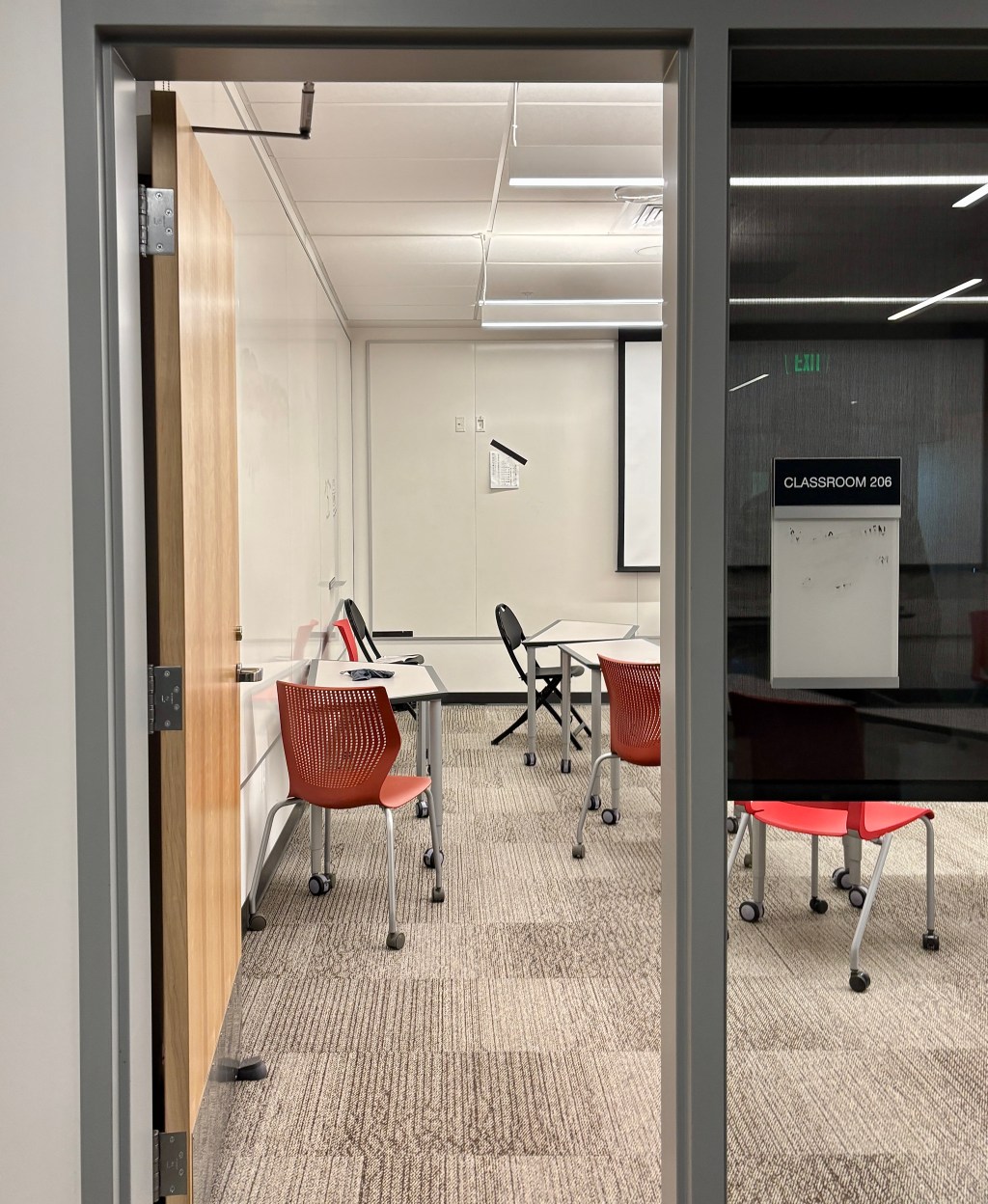
The Perfectionism and Procrastination Workshop, presented in collaboration with Academic & Career Advising (ACA) and the Center for Learning and Student Success (CLASS), will take place on Tuesday, March 17, from noon to 1 pm The event will be held in Les AuCoin Hall, Room 206, and will also be available online through Zoom.
Participants will examine the “true cause of the perfectionism and procrastination cycle,” including fear of failure and self-criticism. The workshop aims to move beyond basic productivity advice and help students understand the emotional roots behind these challenges.
Graham Turner, the assistant director of student wellbeing, explains that, “challenges with procrastination are common for students and can also be a site of a lot of internal shame and struggle.”
“While procrastinating can be addressed with behavioral changes like different approaches to time management and breaking a task down into small parts, it is important to address some of the emotional and psychological drivers for procrastination to create lasting change,” Turner continues.
Turner believes that looking at procrastination from a different angle can start to positively affect how students view themselves and their academic work. “Being able to proactively engage in procrastination from a mental health perspective can lead to changes in self-worth, improved academic engagement, and greater investment in the learning process itself,” says Turner. A key part of the workshop will focus on how perfectionism can often go hand in hand with procrastination. Turner explained that the desire for perfect outcomes can create the very stress that makes it hard for students to even begin assignments. They explain that, “When someone feels immense internal and/or external pressure to be perfect in their work and how they show up, this creates enormous stress on that person.” In response to that pressure, students tend to ignore tasks entirely as a way to temporarily escape from that same stress.
Turner said the counseling center previously presented on this topic during Student Success Week last fall for FYC classes. “We got good feedback and partnering with ACA and CLASS on this felt like an organic collaboration,” shares Turner. Through this partnership, Turner hopes the workshop will show students that procrastination and perfectionism can be addressed with the right support and understanding. “I’m hoping that our departments can highlight for students how procrastination and perfectionism are feelings and behaviors that are addressable and changeable.”

 Pacific Index
Leave a comment